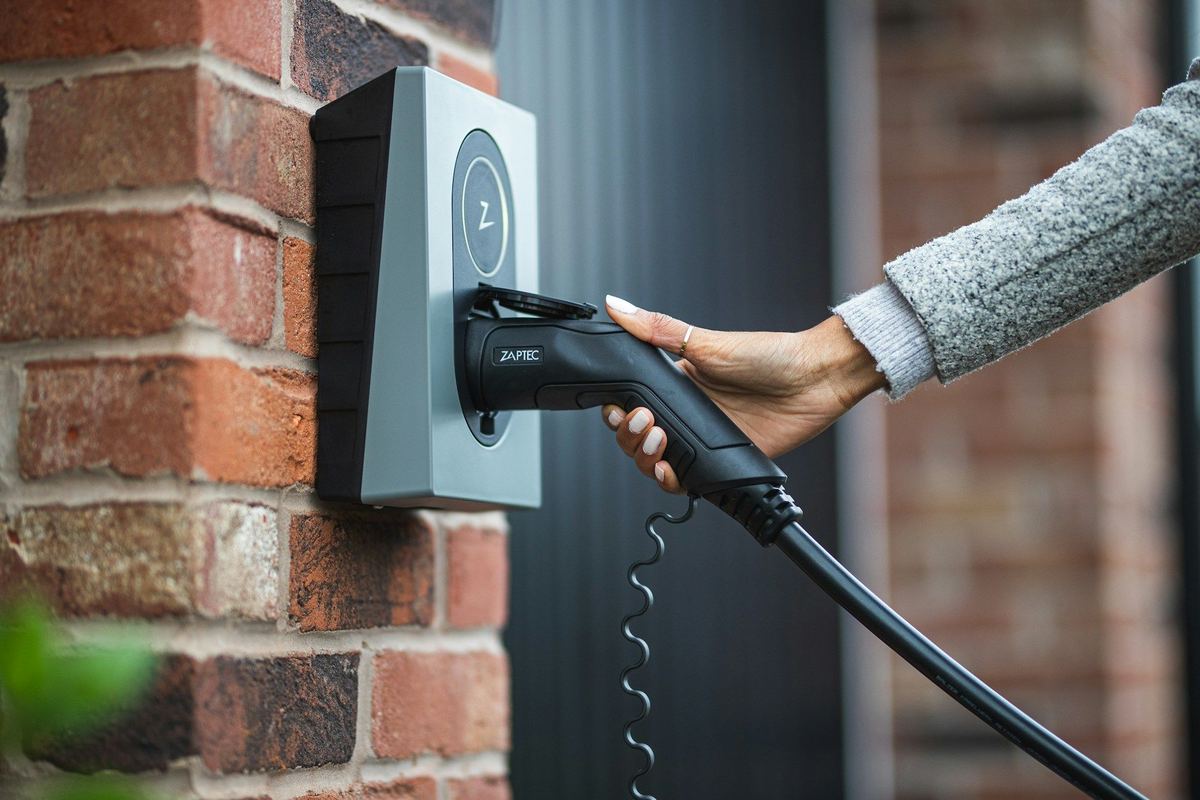
In short: to charge at home you need a wall charger, a dedicated circuit from the fuse board and the right residual current protection. Check first whether the building's main fuse is large enough. In an apartment building car park, you'll also need the association's consent.
Why not a regular socket?
Charging from a regular socket is very slow, and with long use the socket and cable can overheat. A wall charger is built for long charging and is safe.
What power to choose?
Most Estonian homes have three-phase electricity. Then an 11 kW charger works well and charges most cars overnight. A more powerful charger usually isn't needed at home, as the car can only take a certain amount of power.
What to check before installation
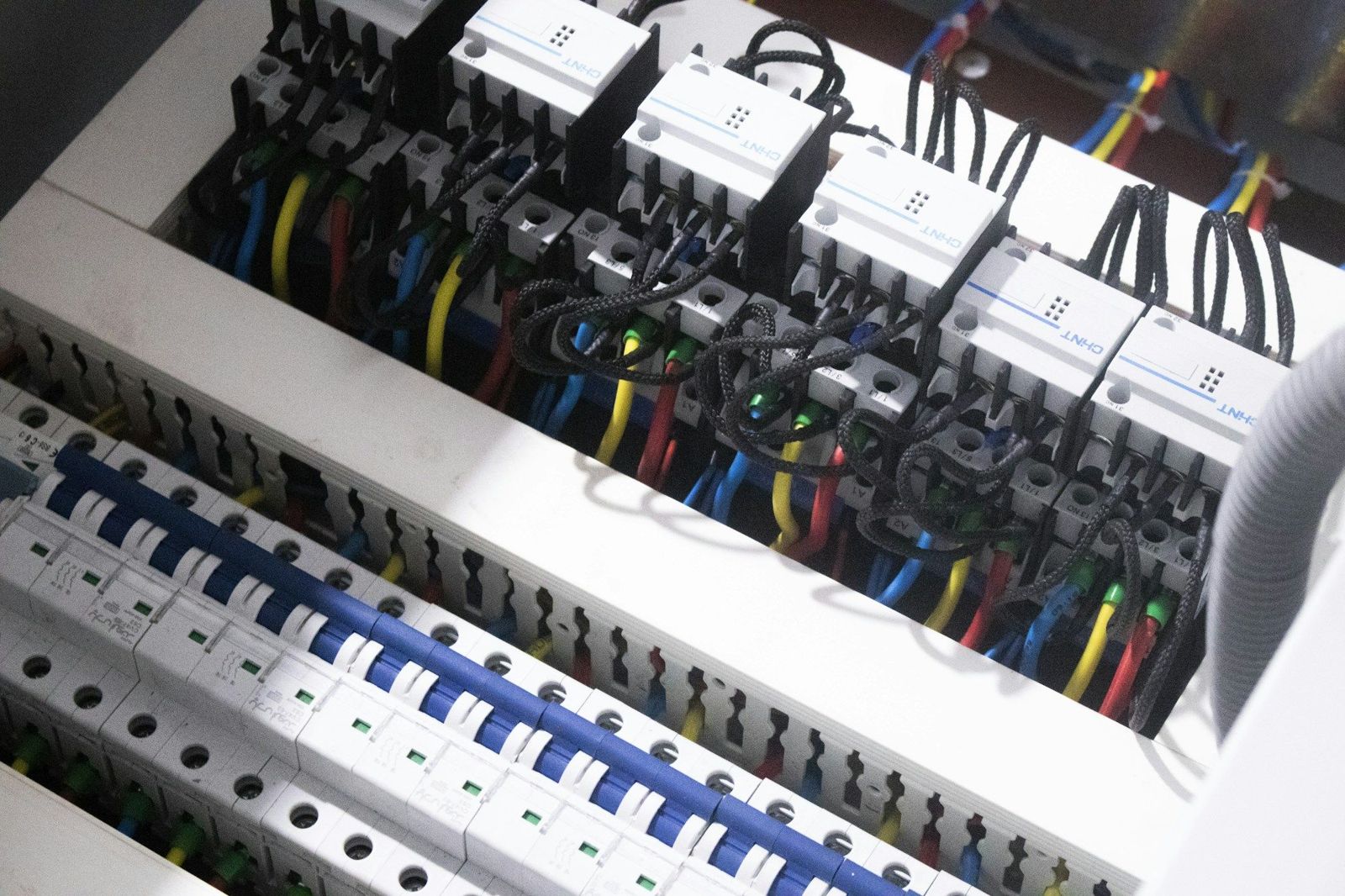
- Main fuse size: if the sauna, stove and heating run at the same time, there may not be enough capacity. A charger that reduces its power when the house uses a lot helps here.
- Distance from the fuse board: the further the charger, the longer and thicker the cable needed.
- Residual current protection: the charger needs the right type. Some chargers have it built in.
- Internet: a smart charger can charge when electricity is cheaper. It needs WiFi or a network cable.
In an apartment building
If your parking space is at an apartment building, you need the association's consent to install a charger. Agree where the power comes from and how usage is billed. See also when to ask the association for permission.
Frequently asked questions
How long does installation take?
If the fuse board is close to the charger, installation can usually be done in one day.
Do I need an electrician?
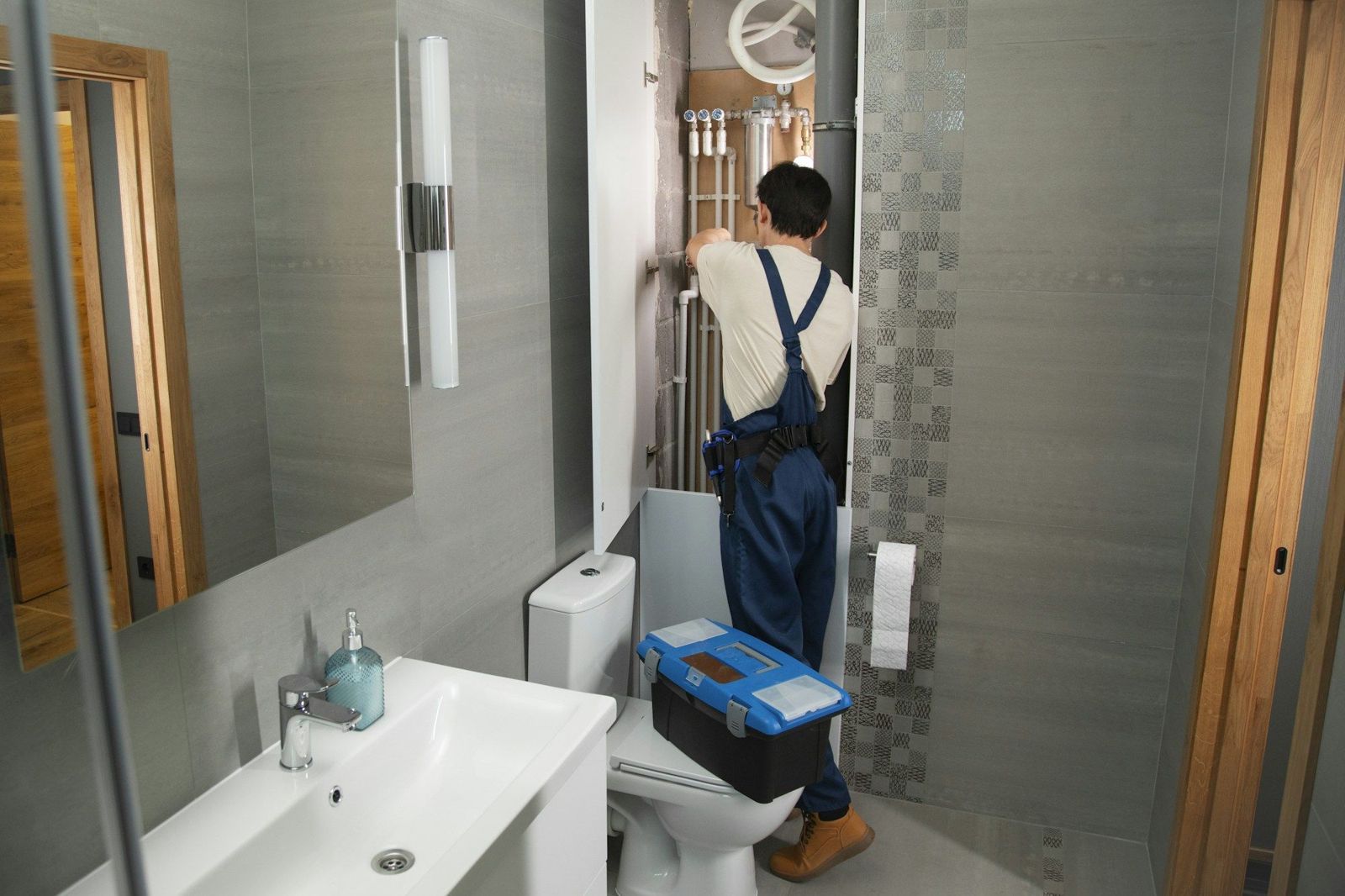
Yes. The charger is connected by a qualified electrician. That keeps it safe and the warranty valid.
Can the charger go on an outside wall?
Yes. Most home chargers are designed for outdoor use too.
Want a home charger? See our EV charger installation or ask for a free quote.